
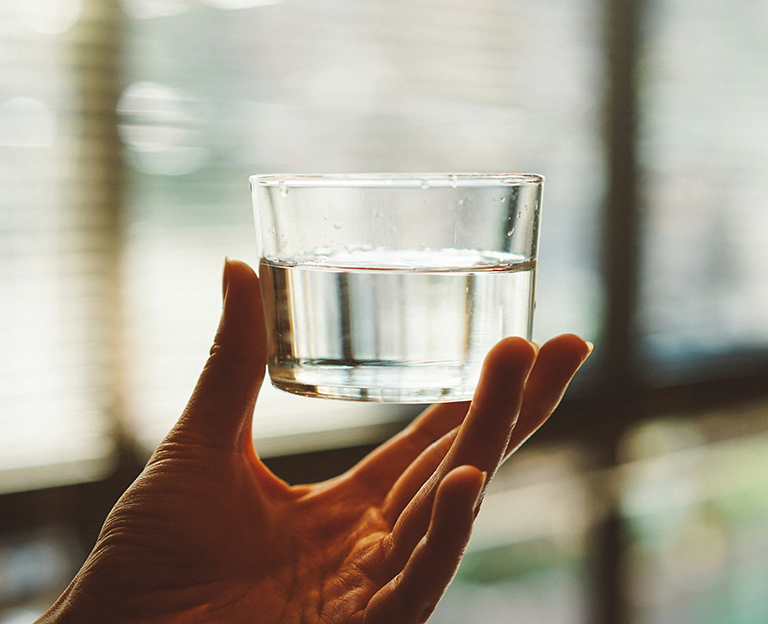
Why Hydration Matters
Last week during our Monday Nature Stories program, we listened to a fascinating recording of sap rising through the trunk of a pine tree. The recording was made soon after spring rains were absorbed, allowing the tree to better circulate its sap. Some of the sounds made during the sap’s journey up the trunk are surprisingly similar to a cold glass of soda bubbling over ice cubes.
Like trees, we too have a circulatory system that depends heavily on hydration. (See below for a link to the amazing sound of tree sap.)
For both caregivers and loved ones living with dementia, focusing on hydration throughout the day can make a significant difference.
Hydration is essential for all of our major organs—including the brain—to function well. During sleep, the brain undergoes a cleansing process through the glymphatic system. Adequate hydration supports this important neurological housekeeping process, while even mild dehydration can impair it.
Read more: How Sleep Cleans the Brain and Keeps You Healthy
Hydration is also vital for gut health, urinary tract health, and bowel function.
Read more: Hydration and Older Adults: Why Water Matters More as You Age
Hydration and Urinary Health
Many frail elders experience urinary tract challenges, including urinary retention—the inability to completely empty the bladder when voiding.
Drinking fluids consistently throughout the day helps flush the bladder and may help keep bacteria levels lower, reducing the risk of urinary tract infections and other complications.
Why Older Adults Are More Vulnerable to Dehydration
Older adults have unique hydration needs for several reasons:
Lower Thirst Sensation
As people age, the brain’s natural thirst sensors become less sensitive. Frail elders may simply not feel thirsty, even when their bodies need fluids.
Lower Water Reserves
Muscle tissue holds more water than fat tissue. Because older adults naturally lose muscle mass over time, they have smaller physiological water reserves to draw from during illness, hot weather, or periods of increased need.
Practical Hydration Tips
Diversify the Menu
Hydration plans should include more than just plain water. Because tooth sensitivity is common, room-temperature beverages are often best.
Consider offering:
- Broths
- Milk
- Herbal teas
- Electrolyte solutions
- Smoothies
- 100% fruit juices
At our program, decaffeinated iced mochas are always a hit—and deliciously hydrating!
Incorporate Hydrating Foods
Many foods contain significant amounts of water and can help increase daily fluid intake.
Examples include:
- Cucumbers (95% water)
- Watermelon (92% water)
- Strawberries
- Cantaloupe
Encourage Small, Frequent Sips
Instead of encouraging large glasses of water all at once, try the “10-gulp rule” whenever a beverage is within reach.
Modeling this habit alongside your loved one creates a win-win situation—you both benefit.
Keep Drinks Visible and Accessible
Place easy-to-hold cups, insulated water bottles, or containers with straws in the locations where your loved one spends the most time. Visual reminders can make a big difference.
Making Hydration Enjoyable
Dementia care expert Teepa Snow encourages making hydration a pleasant and engaging experience rather than a chore.
Watch Teepa Snow’s thoughts on hydration:
How Can We Help with Hydration?
A Reflection on Nostalgia
How does engaging with nostalgic memories affect us?
Listen to: The Surprising Power of Nostalgia (Apple News In Conversation)
Recent Dementia Research
Blood Test for Early Detection of Alzheimer’s Disease
Researchers continue to make exciting advances in dementia detection. A recent study suggests that a blood test may be able to predict dementia risk in women decades before symptoms begin.
Read more:
Blood Test Predicts Dementia in Women as Many as 25 Years Before Symptoms Begin
Listen to the Sound of Sap Rising
Curious about the inspiration for this month’s hydration reminder?
Listen here:
Listening to the Sap Rise?