
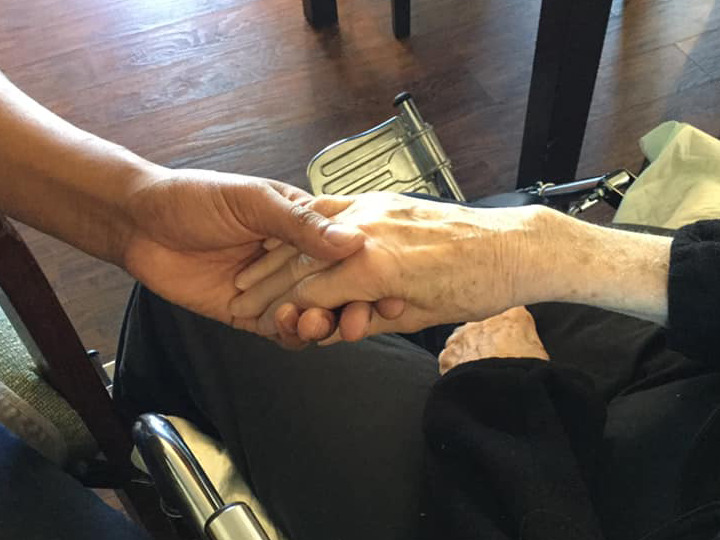
According to the National Institute on Health, 1 in 7 Americans aged 71 and older have some type of dementia. The primary cause of dementia is Alzheimer’s — a neurological breakdown in the brain, causing neurons to die. The second leading cause is vascular dementia, where blood flow is diminished or cut off, causing brain cells to die. Both conditions can be unpredictable in the way they progress. And yet, the brain can still be incredibly resourceful. In tandem, we as caregivers can develop our own resourcefulness to meet their needs with dignity and compassion. (See Resources page for helpful links.)
Often the first thing we think of with dementia is memory loss. While the hippocampus, our brain’s amazing memory coordinator, is an unfortunate target of Alzheimer’s Disease early on, every area of the brain is experiencing change. Along with memory loss (usually short term memory to start) there are other brain changes going on that effect movement, vision, language, and sensory perception. How we understand these changes and apply that to our caregiving skills can make a tremendous difference in quality of life.
Creating a predictable and thoughtful routine is key to bringing ease to daily life, when much of the world has become confusing. Focusing on what is working, rather than what isn’t, helps us to build meaning into that routine. For example, taking a morning walk, or other daily exercise, releases helpful chemicals in the brain for better mood while the physical activity helps maintain balance and muscle strength. Maintaining a healthy bedtime routine improves sleep and helps the brain to clear out toxins. Including music in the day triggers left brain activity that is often still intact and functioning well — singing your way through a difficult task, such as bathing, can turn things around. If we find our approach isn’t working, it’s ok. Those mistakes can lead to “Ah Ha!” moments, and so we are learning all the time.