
Working with residents living with dementia challenges me to think about how we not only assist with care, but how we go about generating a good vibe. This is not an occasional challenge; it demands a daily pondering, because as we know, residents living with Alzheimer’s or vascular dementia have a progressive underlying disease. Each day is different, and sometimes each hour.
Knowing that our residents face some level of brain failure on a daily basis can feel overwhelming. Many caregivers around the world experience this and yet we are often energized and inspired by our work. As the primary diagnosis for most of our residents is related to an organic brain disease, I have focused much of my attention on Teepa Snow’s resources (www.teepasnow.com). Teepa is truly the expert we have all longed for to lead our field toward more helpful approaches to care. Understanding brain change caused by Alzheimer’s Disease has been essential. Now, I am finding myself drawn to matters of the heart.
Our hearts do so much more than pump blood through the body, giving each cell the oxygen and nutrients needed to survive. Research has shown that the heart is also sending powerful commands to our bodies and brains via neurological, hormonal, and electrical signals that not only keep us alive, but can direct our mood and emotions. In fact, the heart is the strongest source of our bio-electrical energy. It is 40-60% stronger than the electrical energy of the brain.
Amazingly, the heart’s electrical energy radiates beyond our skin and can be measured 3-4 feet outside our body in a 360-degree field. Those around us can pick up on that energy. According to Howard Martin from HeartMath.org, “The heart radiates an electromagnetic field that energetically effects each other’s moods, attitudes and feelings”.
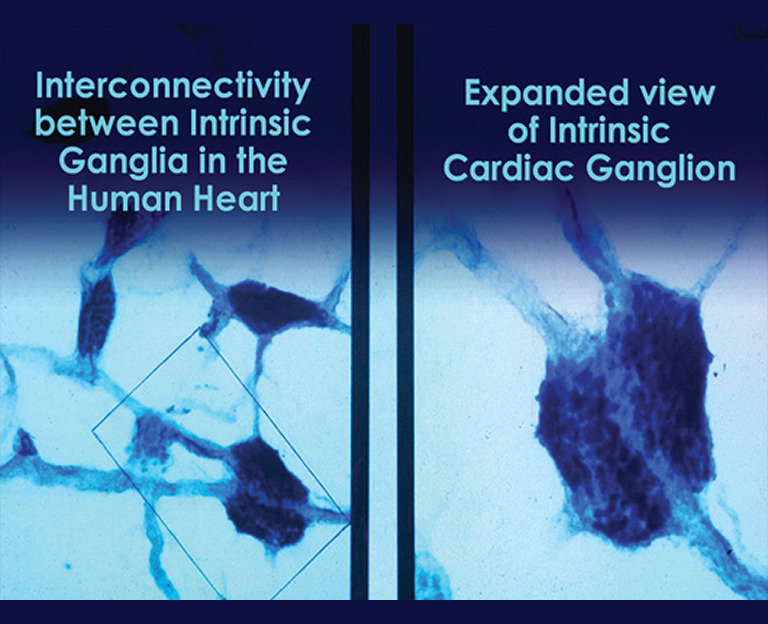
Recent research shows that the neural interaction between the heart and brain is not a one way street, but is quite complex. In addition, the heart has its own memory system, both short-term and long-term memory, operating independently of the brain’s central command.
While it is essential that we understand how the brain is changing so that we can better serve our residents, I have arrived at another important understanding. Each day gives us the opportunity to exercise our ability to simply connect via our hearts. Rise above the failure of the brain, and engage with joy and purpose.
Being mindful that residents can easily pick up on our energy as we care for them is ever necessary. And so the challenge becomes a journey into our own daily practices and emotional wellbeing. Always with the hope that we will generate a positive vibe around those we care for, even if they are experiencing a particularly difficult day.