
In the early 1990s I worked in skilled nursing facilities doing therapeutic activities with frail elders, and about a third of the population I assisted were recovering from a stroke. Much of my training and experience was focused on how to improve post stroke conditions that included partial paralysis, contractures, speech and communication impairments, delayed auditory processing and muscle weakness.
During that nearly 10 years of working in a nursing home setting, public health and medical communities were making solid strides toward decreasing incidence of stroke through medications for hypertension, statin medications, changes in dietary guidelines and smoking laws. The goal was to decrease levels of disability associated with aging — stroke being one of the biggest culprits.
As I started researching materials this month to prepare for a staff training on how to respond to signs of stroke, I realized that we are headed in the wrong direction. Since 2005, risk of stroke worldwide has increased 50% according to the World Health Organization. In the United States, 18% or more of our 75+ population will experience a stroke and it is still the leading cause of adult disability.
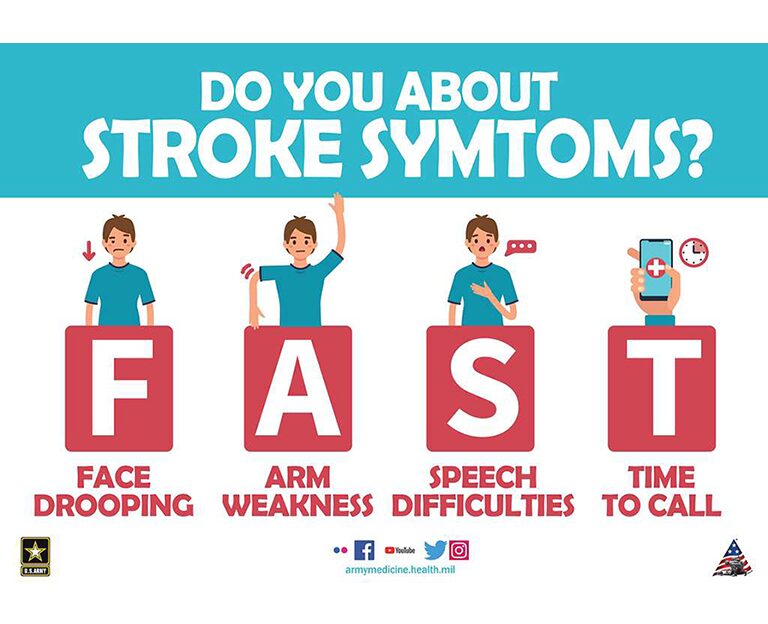
Signs of stroke are an important part of our first aide response training:
- Sudden numbness or weakness of face, arm, or leg, especially on one side of the body
- Sudden confusion, or trouble talking or understanding speech
- Sudden trouble seeing in one or both eyes
- Sudden trouble walking, dizziness, or loss of balance or coordination
- Double vision, nausea, drowsiness or vomiting
- Sudden severe headache with no known cause
When signs of stroke are observed by staff, it is a 911 call to get medical treatment within the first few hours to minimize damage and therefore the ensuing disabilities.
Brain health has become as popular as heart health was in the late 20th century, and they are closely related. What is good for the heart is also good for the brain: aerobic exercise, Mediterranean Diet, omega 3 fatty acids (and low omega 6s), good sleep quality, living with purposeful activities, social connection (NOT social media), and avoiding alcohol and cigarettes of all types.
The amount of processed foods that have flooded our grocery stores and are becoming the norm is a major contributor to the rise of stroke. It truly takes intention when we shop and make our meal plans to avoid the pretty packaging with promises of all good things inside. The marketing is often genius and works well on busy people.
I wish you all well! For staff — please read the attached articles for this month’s mandatory training. I look forward to your questions.
Brain Basics: Preventing Stroke | National Institute of Neurological Disorders and Stroke