
Intentional and Nurturing Self Care: We Need to Create Our Own Entourage!
“It’s like a sandwich with two pieces of bread and the good stuff is on the inside. But I can’t get through the pieces of bread.” — A resident’s description of what it feels like when having problems remembering words.
Caring for people living with brain change is an honor — full of life lessons and heart work. If I had followed my earlier ideas of practicing law, I would be a very different person. Not sure how, but I am confident this path has shaped me more than any other. I continue to be awe-struck by its many challenges, including the risk of caregiver burnout.
Give me a magic wand, though, and I would create a concierge service for caregivers composed of the best in their field, including a dietician, home chef, personal trainer, and spiritual life coach. This fantasy came to mind while my grandson and I watched the basketball series “Starting Five.” We like to follow the diverse stories of NBA players, and in this series, I became fascinated with how they manage their diet, exercise routines, rest periods, and family life while enduring high levels of physical and mental stress. Seeing the care that LeBron James takes with his nutrition program is inspiring. After all, he has many people depending on his well-being and therefore an entourage of experts involved in his self-care. Professional caregivers have many depending on them as well, and without proper support, they can face caregiver burnout.
Simple Acts of Support
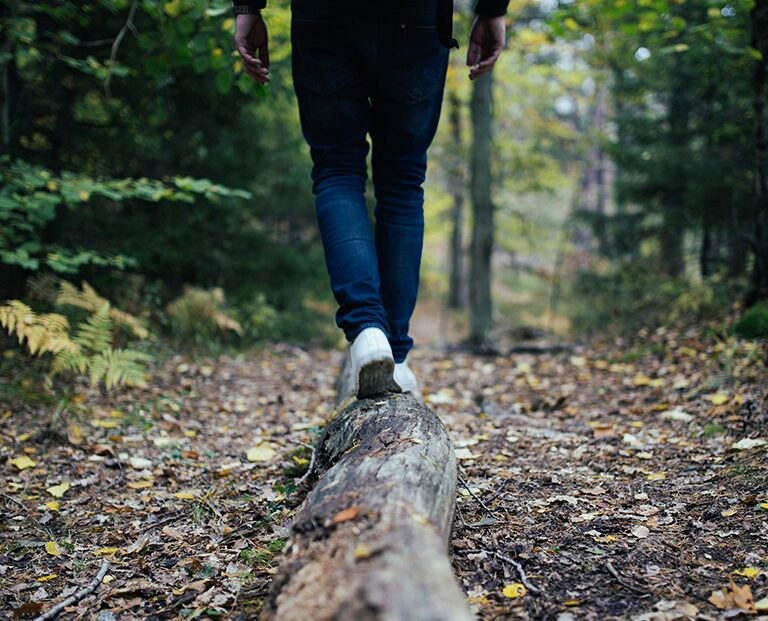
While we don’t have LeBron’s resources, we do have each other and can support one another to eat healthy, take a walk in nature, take time off with loved ones, and engage in activities that help us keep a positive outlook. These simple acts can be powerful tools to combat caregiver burnout.
During super challenging times like the 2017 and 2018 Sonoma County fires and then the COVID-19 pandemic, there were very few opportunities for self-care. That is a nearly 6-year period of ongoing crisis and recovery. I found that simplifying my focus on the present needs in our facilities helped me override anxious thoughts and bring the challenges into perspective. Self-care by necessity had to happen in the workplace. Our mental outlook is affected by periods of stress and drives so much of how we make decisions—like what groceries to buy (sugary or healthy) and whether to take a walk or watch endless YouTube videos on the couch. Self-care for me definitely includes ways to keep a positive outlook, like using the back garden path to make the 1-minute walk between our two facilities and focus on my breathing, taking in the scent of redwood trees. These small practices help mitigate caregiver burnout.
Sustaining our work demands self-care, and yet we too easily set it aside. So many are depending on us, and no one else is going to do it for us. We have to make a commitment to our own care, and I believe in doing so we become better caregivers. Proactively addressing self-care can prevent the onset of caregiver burnout.
Nutrition: A Foundation of Caregiver Wellbeing
Nutrition is high on the priority list for self-care. Eating truly nourishing foods will strengthen our bodies and immune systems. Avoiding sugar and processed foods is essential, and that means taking time to prepare fresh foods for ourselves at home. The effort we put into nutrition for our residents requires attention to preparing lots of vegetables, fresh fruit, and healthy proteins. But how well do we as caregivers focus on our own nutrition? If we make the effort to enjoy even one super healthy meal daily, our health can improve remarkably. (Diet & Nutrition for Caregivers). I love prepping veggies for the week. It has become an enjoyable activity to wash, chop, and store cucumbers, carrots, and squash that will be ready to make an easy meal anytime. Prioritizing nutrition is a key defense against caregiver burnout.
An Ongoing Search
I research caregiving articles and studies frequently and have yet to find a meaningful study that truly focuses on ways caregivers can best practice self-care. And yet we represent a huge number of Americans caring for elders with an ever-growing need. As a matter of fact, a recent study simply concluded that more research is needed: Randomized controlled trials on promoting self-care behaviors among informal caregivers of older patients: a systematic review and meta-analysis | BMC Geriatrics | Full Text
For the time being, I remain ever dedicated and curious to learn as much as I can about preventing caregiver burnout.
My Top 5 Self-Care Activities This Week:
- I delegated a household chore to my grandson (vacuuming).
- I listened to an inspiring podcast on 10% Happier.
- I made myself a huge, crunchy Greek Salad to be on hand for a few days.
- I took a brisk 20-minute walk as the sun set while waiting for my grandson’s basketball practice to finish.
- I meditated for 15 minutes to help me return to sleep at 3 a.m. My mantra: I invite Love, Light, Peace, and Calm into my heart and home. Back to sleep!
Our Team Pledge for 2025:
- Stocking healthy snack options and hydrating drinks for team members;
- Scheduling time off for rest and restoration for all team members;
- Providing 20-minute walking breaks for staff in addition to regular lunch breaks;
- Posting a Sharing Board to support self-care every month;
- Offering a choice of membership in the California State Parks or Sonoma County Parks.
Your Self-Care Commitment
Need a hug or a way to warm up this winter? Here is a delicious and easy chai tea recipe from the cancer-fighting kitchen of Rebecca Katz:
https://www.rebeccakatz.com/recipe-box/turmeric-and-cinnamon-masala-chai
What will you pledge for your self-care?